
If your content isn’t converting—whether that’s into leads, conversations, or even just quality engagement—chances are it’s not connecting. Not deeply. Not in a way that matters.
At Klowt, we’ve helped hundreds of founders, freelancers and consultants build personal brands that generate attention and revenue. We’re not in the business of empty engagement. We write content that starts conversations—and closes deals.
Here’s how to write copy that converts.
1. Speak Your Audience’s Language
The number one mistake we see is people writing like a robot instead of a person.
You need to:
- Ditch jargon and buzzwords
- Avoid vague phrases like “innovative solutions” or “cutting-edge frameworks”
- Use the actual words your customers use when they talk about their problems
In a survey by Edelman, 88% of decision-makers said thought leadership content can influence their perception of a company. In our experience, the best thought leadership pieces work when it sounds human, relatable and clear.
For example, we reworked a founder’s LinkedIn posts from formal to conversational. The result was a 4x increase in engagement and 2 inbound client leads within 10 days.
If you want to connect, sound like you’re speaking—not presenting.
2. Make the Reader Feel Understood
You can’t convert someone who doesn’t feel seen.
The highest-performing content we create doesn’t start with insight—it starts with empathy. It pinpoints a frustration or goal the reader already has, then offers a solution.
Use this structure:
- Problem: What are they struggling with?
- Frustration: Why hasn’t anything worked?
- Reframe: What do they need to understand?
- Action: What should they do next?
Research from D-Marin found that emotional storytelling has a 25% uplift in conversion rates compared to purely rational approaches.
When you demonstrate that you get your audience’s world, they’ll trust you to help change it.
3. Share Useful, Specific Perspectives (Not Big Ideas)
You don’t need to go viral. You need to be valuable.
Most content fails because it’s either too generic or too abstract. If your post could be written by ChatGPT or anyone else in your industry—it’s not specific enough to convert.
So instead of trying to say something brilliant, say something practical.
For example:
- “Here’s the 3-line DM script we used to book 5 discovery calls last week.”
- “This is the framework I use to write posts that generate leads in the comments.”
- “I posted 3x a week for 60 days. Here’s the ROI.”
At Klowt we have a rule: If anybody can say it, we don’t.
The idea is that if you want to create content that cuts through the noise, you have to say things that nobody else can say. Be specific with your content and explain to your audience why your experience gives you the credibility to have this opinion or perspective.
It’s made all the difference in the work we do for our clients and it will transform your content too.
4. Close With a CTA That Drives Action
Don’t end with “Hope this helps.” End with direction.
If you want conversions, you need a strong call-to-action:
- DM me if you’re trying this
- Drop a comment if you’ve faced this problem
- Join our membership to get the full strategy
A clear CTA increases engagement by over 200% on average according to HubSpot. More importantly, it creates a path from content to conversion.
Your content shouldn’t just stop the scroll. It should start the journey.
Final Thought: Content That Converts is Clear, Relevant and Actionable
This isn’t about racking up likes or chasing virality.
It’s about writing copy that solves problems, builds trust, and drives results—whether that’s profile visits, DM enquiries or booked calls.
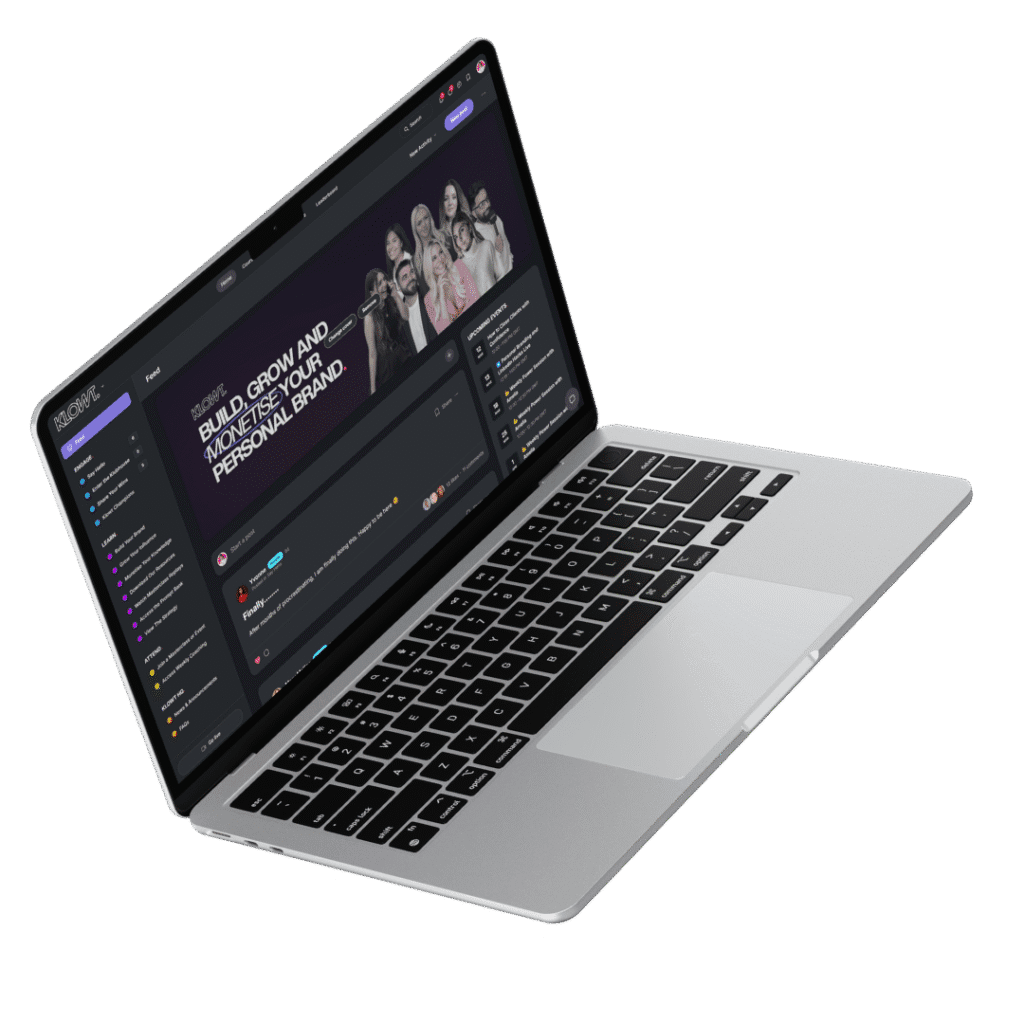
If you’re ready to stop guessing and start building content that actually moves the needle, you don’t have to do it alone.
Join the Get Klowt Membership—our expert-led community for founders, creatives and consultants building high-converting personal brands on LinkedIn.
Because the right content can change everything.
